
Discover the Power of Fibre
When people think about healthy eating, protein often steals the spotlight. But there’s another nutrient that quietly supports almost every aspect of health—dietary fibre. Unfortunately, most adults consume only about half of the recommended daily intake. Women should aim for around 25 grams per day, while men should target 30–38 grams, depending on age. Even increasing your intake by 3–5 grams per day can make a meaningful difference to digestive and metabolic health.
Why Fibre Matters
Dietary fibre is the part of plant foods that isn’t digested in the small intestine. Instead, it travels to the large intestine where it supports a healthy digestive system and nourishes beneficial gut bacteria.
A fibre-rich diet has been associated with:
· Improved digestive regularity
· Greater feelings of fullness after meals
· Better blood sugar control
· Lower LDL (“bad”) cholesterol
· Improved gut microbiome diversity
· Reduced risk of cardiovascular disease
· Support for healthy weight management
· Long-term reductions in the risk of type 2 diabetes and colorectal cancer
The benefits of fibre extend well beyond digestion—it’s truly one of the most powerful nutrients for overall health. Research also suggests that the physical properties of fibre (such as viscosity and fermentability) are just as important as whether it is labelled “soluble” or “insoluble.”
Soluble vs Insoluble Fibre
Soluble Fibre
Soluble fibre dissolves in water to form a gel-like substance.
It can help:
· Slow digestion
· Improve blood sugar control
· Lower LDL cholesterol
· Increase satiety
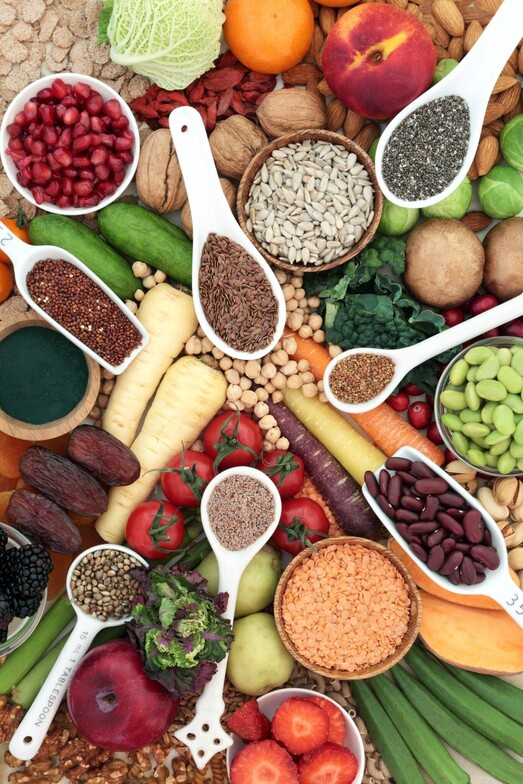
Great food sources include: Oats, Barley, Apples, Citrus fruit, Beans and lentils, Chia seeds, Flaxseed, Psyllium husk
Insoluble Fibre
Insoluble fibre doesn’t dissolve in water and adds bulk to stool.
Benefits include:
· Promoting regular bowel movements
· Supporting bowel health
· Helping prevent constipation
· Improving digestive transit
Good sources include: Wholegrain breads and cereals, Wheat bran, Brown rice, Nuts, Seeds, Vegetable skins. Cauliflower. Green beans, Carrots
Most plant foods contain a combination of both types, so eating a wide variety of fruits, vegetables, legumes and whole grains is the easiest way to cover your bases.
What Are Functional Fibres?
Functional fibres are isolated or manufactured fibres that are added to foods or supplements because they have demonstrated health benefits. Some of the most common include:
· Psyllium – excellent for bowel regularity and lowering cholesterol
· Beta-glucan (from oats and barley) – supports heart health and healthy cholesterol levels
· Inulin and chicory root fibre – prebiotic fibres that nourish beneficial gut bacteria
· Resistant starch – feeds the gut microbiome and may improve blood sugar responses
· Resistant dextrin – often added to beverages and snack bars to increase fibre while remaining easy to mix
· Polydextrose – commonly used in higher-fibre snacks and baked goods
While functional fibres can help people reach daily fibre goals, whole foods remain the gold standard because they also provide vitamins, minerals, antioxidants and plant compounds.
Easy Tips to Add 3–5 Grams of Fibre Each Day
Small changes quickly add up.
Here are some simple swaps:
Breakfast
· Add 2 tablespoons of chia seeds to yogurt (+5 g)
· Choose oatmeal instead of refined cereal (+4 g)
Snack
· Eat an apple instead of crackers (+4 g)
· Add a handful of raspberries to Greek yogurt (+4 g)
Boost Your Meals
· Sprinkle 1 tablespoon of ground flaxseed on cereal or smoothies (+2 g)
· Add ½ cup chickpeas to a salad (+6 g)
Simple Swaps
· Choose wholegrain bread instead of white (+2–3 g per two slices)
· Use brown rice instead of white rice (+2 g per cup)
Don’t Peel Everything
· Leave the skin on potatoes whenever possible (+2 g)
Legume Upgrade
· Add beans or lentils to soups, chilli or pasta sauces (+4–8 g per serving)
Protein & Fibre Bars: Convenient Options
While whole foods should be your primary source of fibre, protein bars can be useful for busy days, travel or post-workout snacks. Look for options containing at least 10 g protein and at least 5 g fibre, while keeping added sugars relatively low.
Some good options include:
Simply Protein (12 g protein, 7 g fibre)
Genuine Health Fermented Veganproteins+ (15 g protein, 9 g fibre)
IronVegan Sprouted protein bar (16 g protein, 16 g fibre)
When choosing a bar, check the ingredient list. Bars containing oats, nuts, seeds, chicory root fibre, resistant dextrin or psyllium can provide a useful fibre boost. Just remember that bars should complement—not replace—a diet rich in fruits, vegetables, legumes and whole grains. In addition – keep in mind that you don’t want to overdo fibre. Too much fibre, too quickly can upset your digestive system. So even ½ bar might be sufficient.
The Bottom Line
Improving your fibre intake doesn’t require a complete diet overhaul. Adding just 3–5 extra grams per day—whether through oats at breakfast, beans at lunch, fruit for snacks or a high-quality protein and fibre bar—can support better digestion, heart health, blood sugar control and a healthier gut microbiome.
Think of fibre as a long-term investment in your health. Small changes made consistently often deliver the biggest benefits.



.jpg)
