
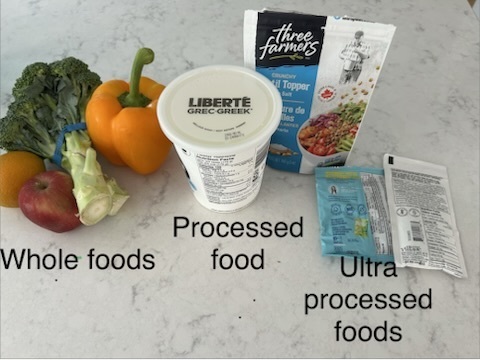
As a Registered Dietitian, one of the most common recommendations I make is to build your meals around mostly whole foods while still leaving room for the occasional treat. It's a balanced, realistic approach that supports both good nutrition and a healthy relationship with food.
After all, processed foods aren't inherently "bad." Many processed foods—such as yogurt, canned beans, frozen vegetables, and whole grain bread—can make healthy eating easier by saving time and reducing food waste.
Ultra-processed foods, however, are a different story.
These products are designed for maximum convenience, exceptional taste, and long shelf life. While they certainly have a place from time to time, many people find themselves eating far more of them than they intended. If you've ever wondered why it's so difficult to stop eating potato chips after opening the bag, or why sugary foods seem to call your name after dinner, you're certainly not alone.
The answer isn't simply about willpower.
It's about the way these foods are engineered, marketed, and woven into our everyday environment.
There's More to the Story Than Calories
Most people know that eating more vegetables and fruit is good for their health. Likewise, most recognize that a diet high in ultra-processed foods isn't ideal.
What many people don't realize is just how much research, food science, and marketing go into creating products that are exceptionally difficult to resist.
For years, I believed the biggest nutritional concern with ultra-processed foods was their nutrient profile. Many contain high amounts of added sugars, sodium, and unhealthy fats while providing relatively little fibre, vitamins, or minerals.
While that's certainly part of the picture, it's only the beginning.
Designed to Keep You Coming Back
Think about how we eat today.
Life is busy. We want convenience. We want to save money. We don't always have the time—or the energy—to cook from scratch every day.
At the same time, food has never been more accessible. Within minutes, we can order almost anything we crave and have it delivered to our doorstep.
Instead of asking ourselves, "What can I make with the ingredients I already have?" we're often asking, "What do I feel like eating right now?"
The food industry understands this extremely well.
Ultra-processed foods are carefully formulated to deliver flavours, textures, aromas, and mouthfeel that don't naturally occur in whole foods. Scientists even use the term "hyper-palatable foods" to describe foods engineered to stimulate our reward centres and encourage us to eat beyond fullness.
They're easy to chew, require little preparation, and often disappear quickly because they don't require much effort to consume. Many are also energy-dense, meaning they provide a large number of calories in a relatively small portion, often without leaving us feeling as satisfied as whole foods do.
In other words, these foods are designed to be convenient—but they're also designed to keep us coming back for more.
It's Not a Personal Failure
One of the biggest messages I'd like people to take away is this:
If you struggle to stop eating certain ultra-processed foods, it doesn't necessarily mean you lack willpower.
You're navigating a food environment that is designed to capture your attention, influence your choices, and encourage repeat purchases.
Advertising, food packaging, flavour chemistry, convenience, and constant availability all play a role in shaping what—and how much—we eat.
Understanding this doesn't remove personal responsibility, but it does help explain why making healthier choices can feel much harder than it should.
Learning More About Ultra-Processed Foods
If you'd like to learn more about why ultra-processed foods are linked with poorer health outcomes, I highly recommend reading the booklet prepared by Yuka which I linked here.
It's an excellent resource that explains:
- how food processing has evolved over time
- the difference between processed and ultra-processed foods
- why manufacturers formulate foods the way they do
- the business of food manufacturing and marketing
- the role of additives and food formulation
- the broader food industry and its stakeholders
If you're not familiar with Yuka, it's a smartphone app that allows you to scan the barcode of food and personal care products. It evaluates products based on their nutritional quality, ingredients, and use of additives and preservatives.
A Simple Way to Think About Food Choices
One of the easiest ways to simplify healthy eating is to remember this:
Whole foods don't need an ingredient list.
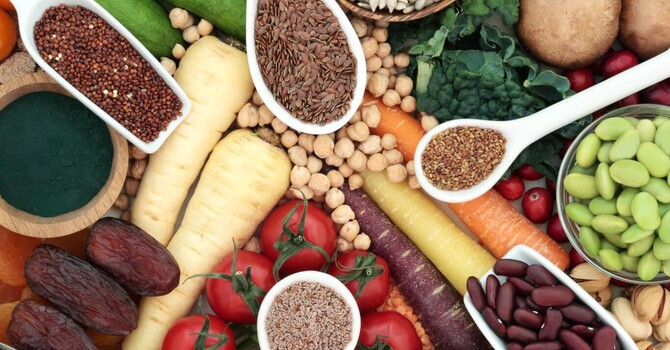
Fresh fruits and vegetables, meat, poultry, fish, eggs, legumes, nuts, and seeds are foods in their natural state.
Some minimally processed foods—such as milk, yogurt, frozen vegetables, canned beans, or frozen fruit—do require labels because they've been packaged, but they still retain most of their nutritional value and can absolutely be part of a healthy diet.
As foods become more heavily processed into products like cookies, muffins, snack foods, sweetened cereals, and many packaged convenience foods, ingredient lists often become longer and more complex. That's when reading food labels becomes especially valuable.
Practical Tips to Reduce Ultra-Processed Foods
You don't have to overhaul your diet overnight. Small, consistent changes often lead to the greatest long-term success.
Here are a few strategies I regularly recommend:
- Plan meals before grocery shopping. A simple meal plan helps reduce the temptation to order takeout, prevents food waste, and saves money.
- Choose simpler products. When buying crackers, cereal, or chips, look for original varieties rather than heavily flavoured options. Flavoured products often contain many more ingredients and additives.
- Read ingredient lists. As a general rule, shorter ingredient lists with recognizable ingredients are often a good place to start.
- Make trigger foods less accessible. If there's a food that's difficult to stop eating, consider buying a smaller package or simply leaving it off your shopping list. This isn't about banning foods—it's about making overeating less convenient.
- Give your taste buds time to adjust. If your diet currently contains a lot of ultra-processed foods, reduce them gradually. Over time, many people find they begin to appreciate the natural sweetness of fruit or the flavour of foods prepared with less salt and sugar.
Progress Over Perfection
Healthy eating has never been more challenging.
We're surrounded by advertising for foods and beverages that are designed to grab our attention and encourage us to consume more. Convenience often wins over planning, especially during busy weeks.
That's why I encourage my clients to focus on progress—not perfection.
Every meal is another opportunity to nourish your body. Every small change adds up. You don't have to eat perfectly to improve your health; you simply have to keep moving in the right direction.
If you'd like support in creating healthier eating habits that fit your lifestyle, I'd be happy to help. Together, we can develop a personalized nutrition plan that is practical, sustainable, and enjoyable—one that focuses on adding more whole foods while still leaving room for the foods you love.


.jpg)
